


Every week I analyze a company's fundamentals as part of my research work. My goal is to understand what drives their consistent performance. This is an educational post to understand the business and not a recommendation to buy the stock.This week, Let’s explore the business & fundamentals of Safari Industries.
In the last 5 years:
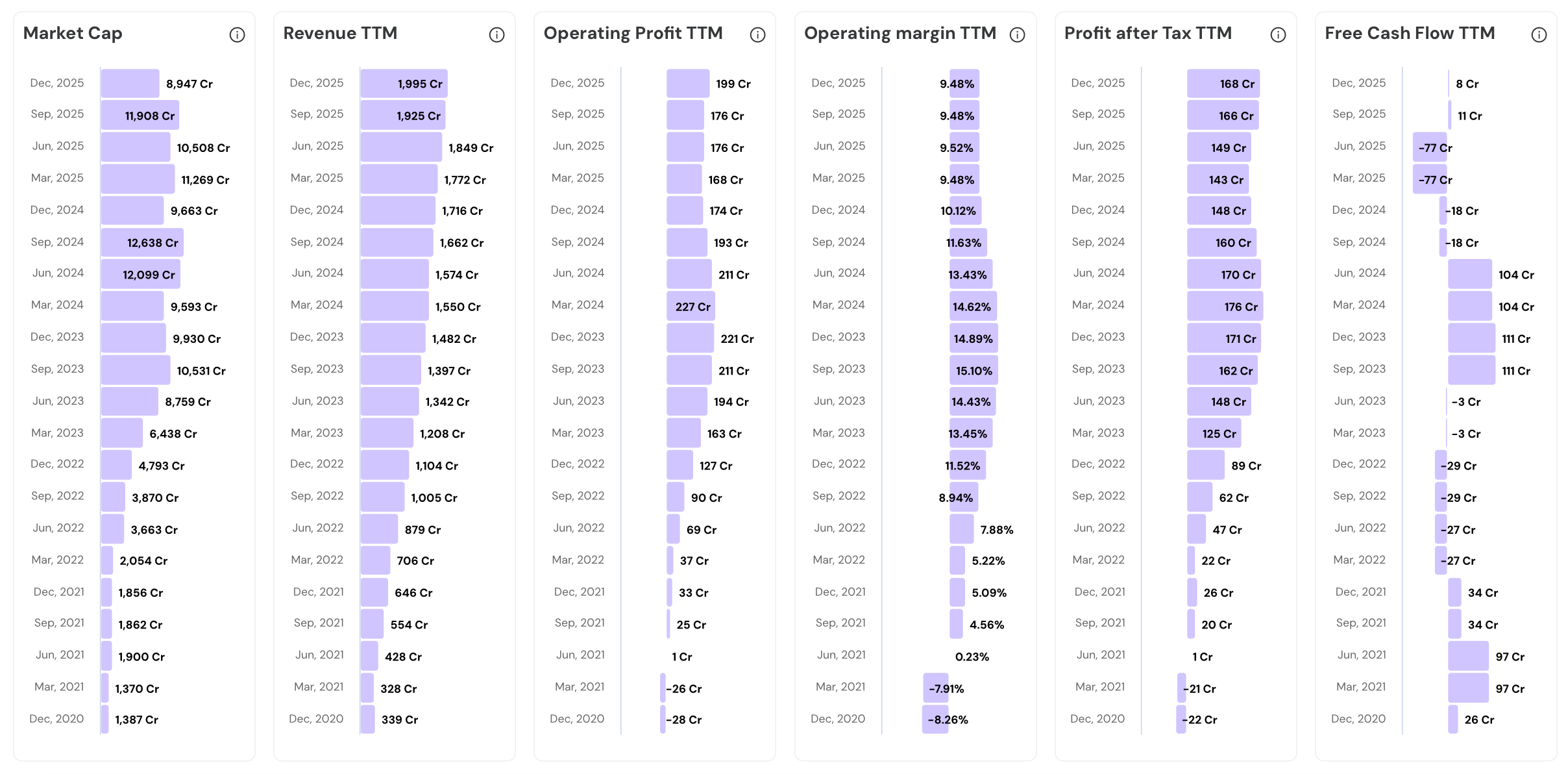
Revenue grew nearly 6x in five years, from ₹339 Cr to ₹1,995 Cr
Operating profit turned around from a ₹28 Cr loss to ₹199 Cr
Net profit recovered from ₹22 Cr loss to ₹168 Cr
Performance Chart
Quality Chart

Their Road to Consistency
1. Overview & Business Model
Safari Industries began in 1974 as a small player in Indian luggage. The real story started in 2011, when Sudhir Jatia took control and rebuilt the company from near-scratch. Today, Safari holds 31% of the organized luggage market, has grown revenue 24x in 14 years, and sits at a market cap of ~₹10,000 crore.
Revenue grew from ₹70 crore in 2011 to over ₹1,800 crore in FY25. That is a 24x expansion in 15 Years under a single leadership team.
Safari offers branded, quality luggage priced just above unorganized alternatives.
Hard luggage contributes 75% of revenue. Soft luggage makes up the remaining 25%.
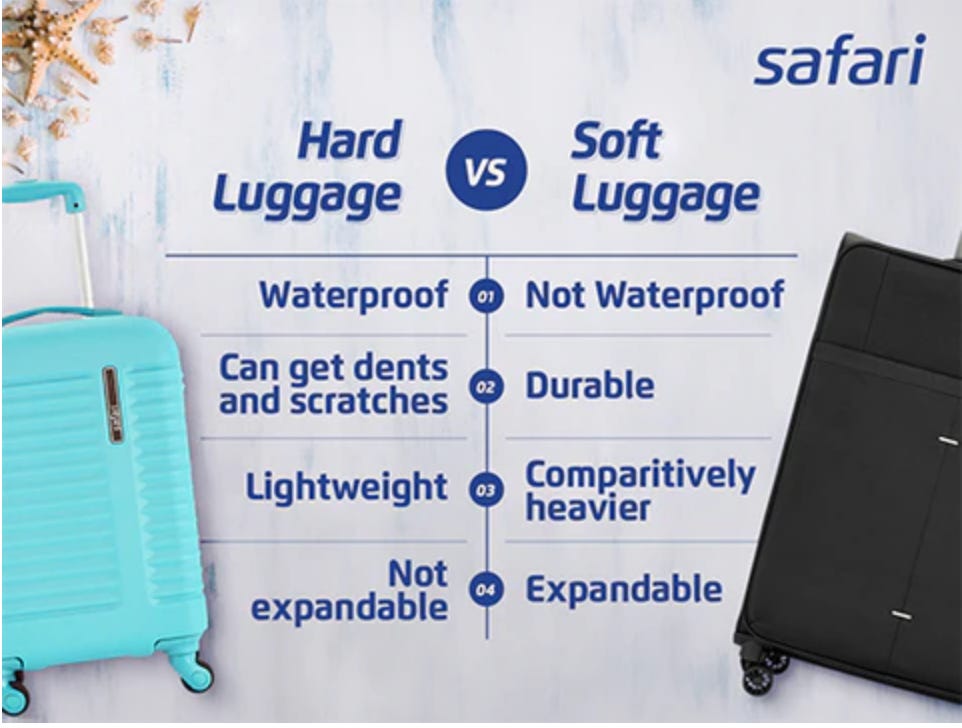
Hard luggage is manufactured in-house at Halol, Gujarat and the new Jaipur plant, Rajasthan. Soft luggage is sourced via imports, keeping fixed costs lean.
The portfolio spans Safari, Genie, Urban Jungle, Safari Select, and Magnum. Each sub-brand targets a specific customer segment and price point.
E-commerce contributes approximately 50% of revenue. Over 160 exclusive brand outlets, modern trade hypermarkets, and CSD channels cover the rest.
2. Premiumization
Safari launched Safari Select in 2024 and Urban Jungle as premium sub-brands targeting elite travelers and Gen-Z consumers. The premium segment’s revenue contribution doubled from 3% in FY25 to 6% by Q3 FY26.
Safari launched ‘Safari Select’ in 2024 targeting elite business travelers with dual-wheel systems and TSA-approved locks. This directly targets price points previously dominated by international brands.

‘Urban Jungle’ was introduced as a casual premium brand for younger consumers. Urban Jungle introduced distinctive designs, the “Taxi” hard luggage and the “Intern” backpack. Safari operates D2C website urbanjungle.shop to sell premium lines directly to consumers.
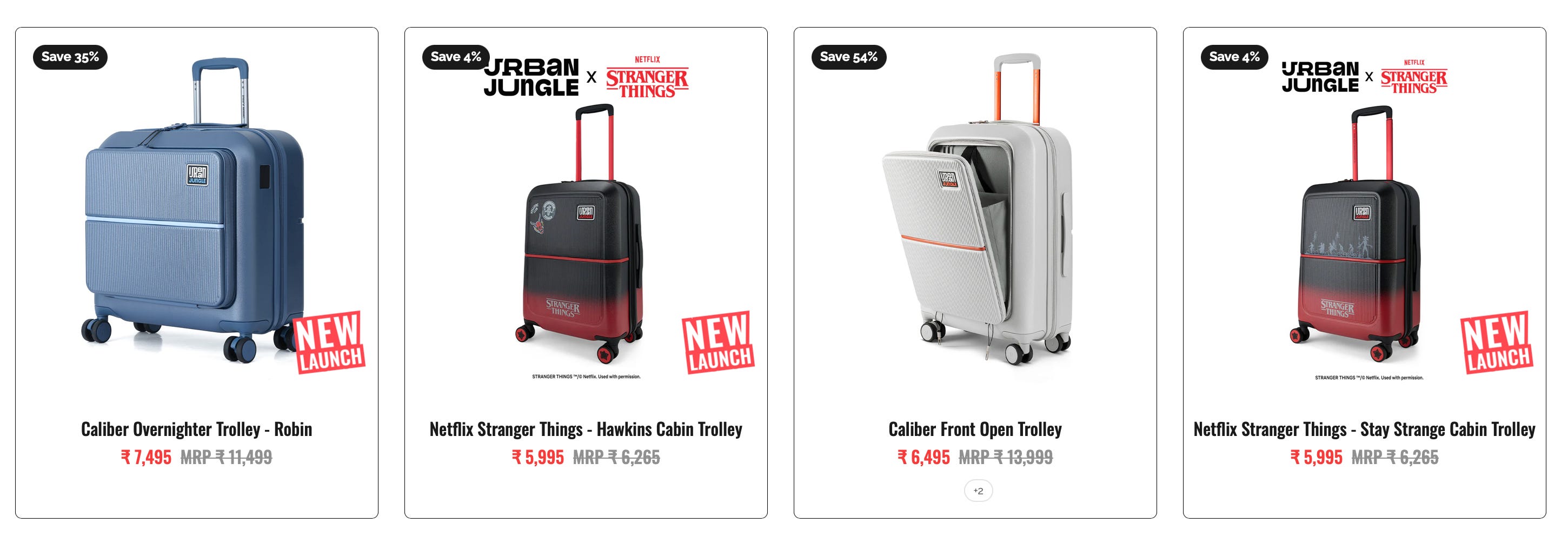
Premium segment contribution doubled from 3% in FY25 to 6% by Q3 FY26 through targeted digital marketing. The speed of adoption signals the brand is slowly shedding its budget-only image. Management targets 10% of revenue from premium by FY27.
Advertising and promotion expenses reached 8.5% of revenue in Q3 FY26 to build equity for Safari Select and Urban Jungle. Heavy spend today, but brand equity compounds over time.
Realization per unit is expected to improve as premium brands scale to 10% of revenue by FY27.
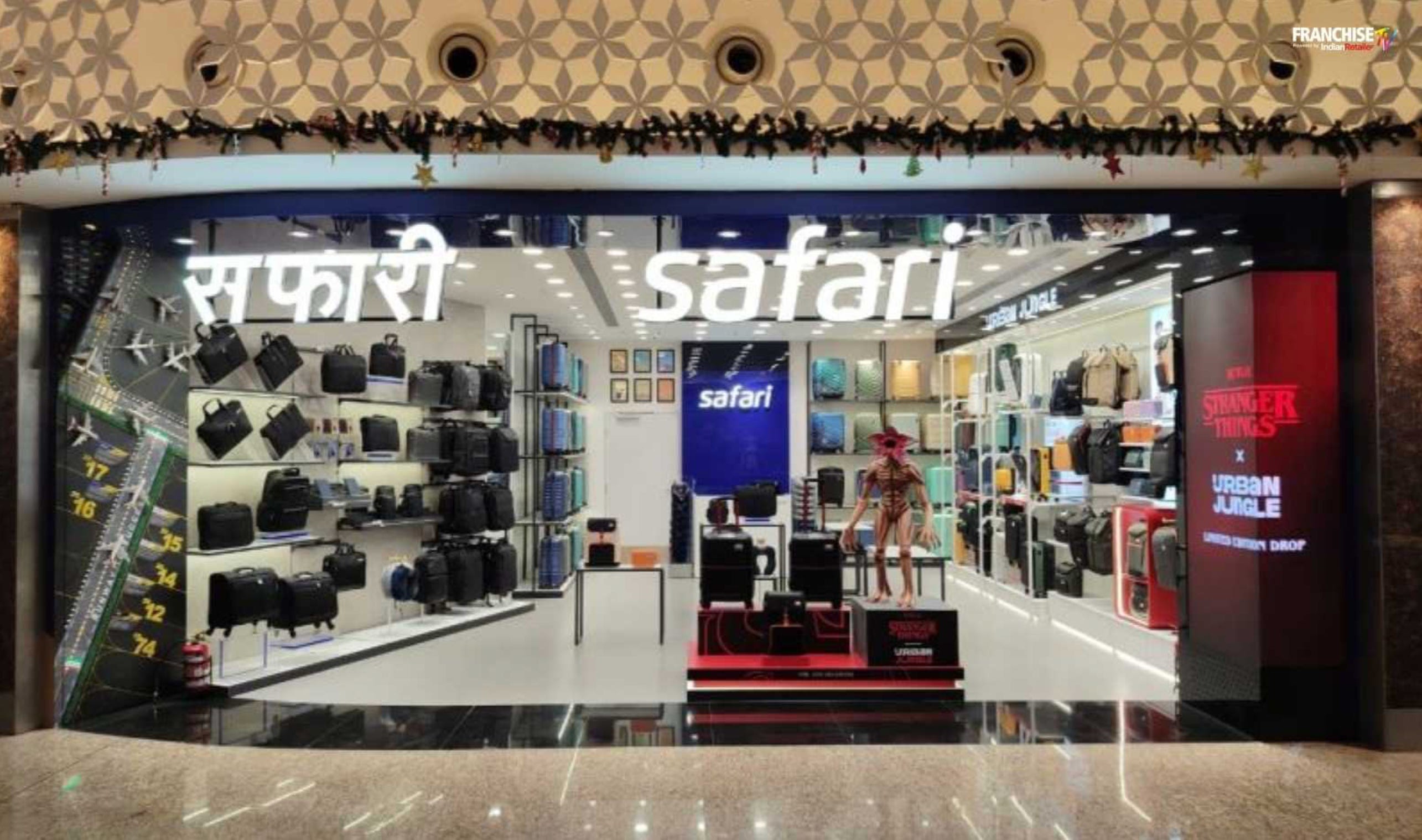
New premium EBOs were launched at major airports in Mumbai and Jaipur. These high-footfall transit locations expose the brand to aspirational travelers.
3. Jaipur Doubles Hard Luggage Capacity
The greenfield Jaipur plant, commissioned in December 2024, doubled Safari’s hard luggage capacity from 6.5 lakh to 13 lakh pieces annually. Beyond production numbers, it is a strategic foothold in North India, a region the company could not efficiently serve from its Halol facility alone.
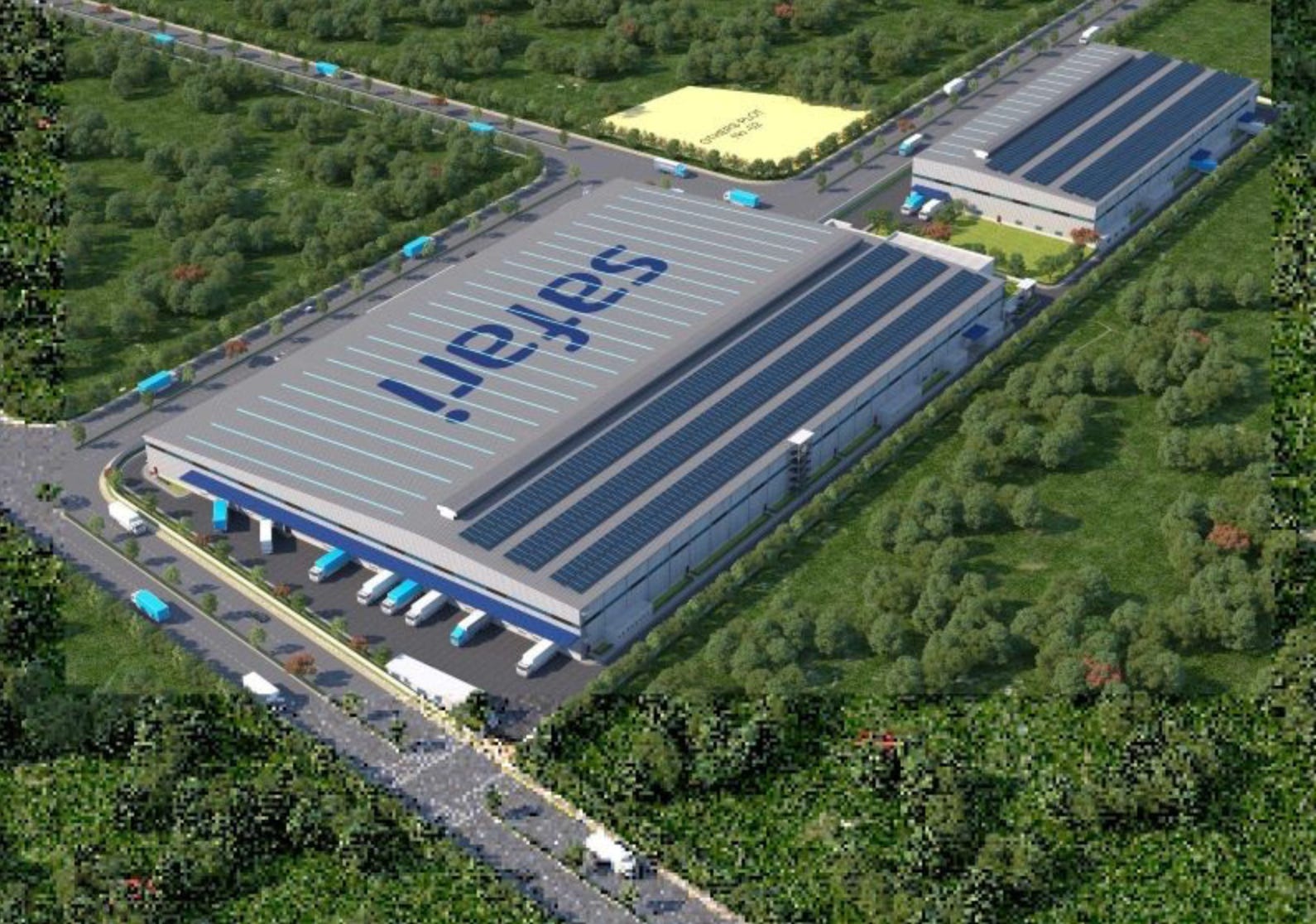
Safari invested ₹215 crore in 2024 to build the Jaipur facility in Rajasthan. One of the company’s largest capital bets.
Commercial production began in December 2024, right before the high-demand 2025 summer travel season.
Capacity utilization at Jaipur rose from 30% in March 2025 to approximately 75% by Q2 FY26.
At full capacity, the Jaipur plant alone can generate approximately ₹1,000 crore in annual revenue.
Proximity to Delhi, Punjab, and Uttar Pradesh reduces logistics costs for shipping bulky suitcases northward.
The company plans to add 3 to 4 more machines at Jaipur by late 2025. Each addition provides 1 to 1.5 lakh extra pieces per month. Incremental capacity at a running plant is highly capital-efficient.
The Jaipur plant enabled Safari to service institutional orders worth 7% of FY25 sales, up from 3% the prior year. Halol had to decline these large orders before.
The plant is highly automated to ensure consistent quality across thousands of pieces. This automation is a key driver for reducing defect rates in the value-for-money segment.
An ancillary capex of ₹25 Cr was announced to manufacture trolleys and wheels at Jaipur.
4. Omnichannel Reach
Safari does not rely on any single sales channel. It sells through e-commerce platforms, exclusive brand outlets (EBO), modern trade hypermarkets, armed forces canteens, and airport stores.
Safari’s retail footprint crossed 8,800 touchpoints across India by end of 2024. This includes wholesale distributors and retail outlets of all sizes. The brand now reaches consumers even in Tier-3 and Tier-4 cities.
Over 160 EBOs operate as of early 2026. Management consistently adds 3 to 4 new stores every month. Disciplined monthly rollout compounds into meaningful national presence over a multi-year horizon.
CSD (Canteen Stores Department) provides steady, bulk volume from armed forces personnel. Stable, loyal, recurring demand.
Modern trade contributed 15% of total revenue in FY25. Large-format stores display colorful hard luggage collections effectively. Visual merchandising in hypermarkets converts browsers/window shoppers into buyers.
New EBOs were launched at airports in Mumbai, Patna, and Guwahati in late 2025.
The offline channel grew 22% in Q3 FY26, helping offset a temporary e-commerce slowdown in the same period.
Over 100 company-owned, company-operated stores give Safari full control over brand experience and pricing. They also function as product testing labs before nationwide rollout in wholesale.
The extensive offline network supports a comprehensive after-sales and warranty service system.
Safari is scaling three D2C websites: safaribags.com, genietravel.com, and urbanjungle.shop. Each site collects first-party customer data that feeds product development and targeted marketing. The digital channel is used to generate insights, not just transactions.
5. Lean Inventory
Safari’s most underappreciated competitive edge is inventory velocity. A 109-day inventory cycle versus competitor’s 228 days means less capital tied in warehouses, faster product refreshes, and near-zero debt.

Safari’s cash conversion cycle was just 95 days in FY25 compared to 183 days of VIP. This efficiency lets Safari self-fund expansion from its own operating cash flows.
A near-zero debt position in FY25 is a direct outcome of the lean inventory model. Capital is not sitting idle in unsold stock. This keeps the balance sheet clean.
The shift to 75% hard luggage simplifies supply chain management. Plastic-molded shells are faster to produce than complex fabric bags. Shorter lead times also help match demand changes within weeks.
Real-time sales data from e-commerce partners flows back to Halol and Jaipur for production scheduling. This digital feedback loop prevents slow-moving items from accumulating in regional warehouses.
Concentrating 92% of sales under one brand means fewer unique SKUs and simpler component management. Fewer variants reduce supply chain complexity significantly. Simplicity is an operational advantage.
Faster inventory turns allow Safari to refresh its product lineup more often than competitors. Fashion-conscious travelers want new colors and styles. Competitors sitting on old stock lose.
Even during Q4 FY25’s price war, faster inventory turnover helped maintain a healthy return on capital employed. Operational discipline protects profitability when the market turns competitive.
6. Winning Market Share
Safari climbed from 15% market share in 2018 to 31% of the organized luggage market by early 2025. These gains are not just from industry growth. They are coming directly from the market leader. VIP Industries’ share fell from 47% to 38% as Safari rose in the same period.
Volume growth of 22% in Q4 FY25 significantly exceeded the industry average for the same period. Even during a price war, consumers chose Safari over alternatives.
By focusing on value pricing, Safari avoided direct competition with international premium brands like Samsonite. It attacked the unorganized market from below instead.
Safari successfully repositioned itself as a modern brand compared to legacy competitors carrying old inventory. This perception shift is critical for winning millions of first-time luggage buyers.
Management expects organized sector penetration to rise to 60% by 2027. Safari is positioned as the primary destination for new first-time branded buyers.
7. Online Dominance
Safari built its national scale on the back of e-commerce faster than any traditional Indian luggage brand. Amazon and Flipkart now contribute roughly 50% of total revenue. This digital-first approach reaches customers in geographies where building physical stores is not economically viable.
E-commerce contributes approximately 50% of Safari’s total revenue as of late 2025. This national scale was achieved without the overhead of building physical stores everywhere.
Safari and Urban Jungle are consistent top performers during Big Billion Days and Amazon’s Great Indian Festival. High-volume online events generate bulk revenue in short time windows.
The ‘Magnum’ brand was launched as a Flipkart-exclusive partnership in October 2020 for value-seeking consumers. This gave Safari instant access to thousands of pin codes across India.
Online sales grew approximately 40% year-on-year in recent periods. This pace outpaces physical retail growth by a wide margin.
Digital marketing for Urban Jungle focused on influencer partnerships and social media ads in 2025. This keeps the brand visible to Gen-Z consumers who shop primarily on smartphones.
E-commerce was used to rapidly clear Safari Select premium inventory in Q1 FY26. This reduced inventory days quickly without relying on physical markdown events.
In Q3 FY26, e-commerce grew 12% to 15% even in a difficult macro environment.
High ratings and review volumes on Amazon and Flipkart function as a digital moat for Safari. New entrants cannot replicate years of accumulated social proof quickly.
8. Design-Led Demand Creation
Safari has stopped making plain black suitcases. Vibrant colors, distinctive constructions, and functional features like anti-theft zippers and TSA-approved locks now define the lineup.
Safari launched hard luggage in new colors like Pearl Blue and Olive in 2024 and 2025. These designs specifically appeal to consumers upgrading from plain unbranded alternatives.
A new General Manager for Design and Development was appointed in February 2025 to lead the innovation pipeline.
Urban Jungle introduced the “Intern” backpack with dedicated laptop compartments and ergonomic padding. These features are designed for young professionals and students carrying electronics daily.
Safari shifted hard luggage shells to 100% Polypropylene and Polycarbonate materials. These allow intricate 3D surface textures that are lighter and more scratch-resistant.
The ‘Genie’ brand focuses on versatile “on-the-go” lifestyle bags that double as school and travel bags. High utility makes it a practical default for parents shopping for children.
Safari Select uses premium finishes and high-quality hardware to target the professional business travel segment. Aesthetics become the dominant purchase driver when a buyer’s professional image is at stake.
Anti-theft zippers and TSA-approved locks are standard features across core models. These functional details create a security assurance that unorganized competitors simply cannot match at scale.
The “Taxi” hard luggage under Urban Jungle uses bold, unconventional surface patterns. In a category where most suitcases look identical, stand-out design drives impulse purchases at retail.
“Business Ready” backpacks with organized interiors were designed to capture the work-from-anywhere trend.
New Product Developments (NPDs) continuously refresh the catalog. This freshness is credited as a primary driver of 20% volume growth in Q3 FY26.
9. Integration Boosts Margins
Safari is quietly building a multi-year margin engine by manufacturing its own wheels and trolleys instead of outsourcing them. Simultaneously, institutional sales through the CSD channel recovered sharply after the Jaipur plant unlocked previously unserviceable large-volume orders. Both trends are improving profitability without requiring new revenue streams.
Safari announced a ₹25 Cr ancillary capex in 2025 to manufacture trolleys and wheels at the Jaipur plant. These were previously outsourced, adding to production costs. Bringing them in-house is a direct, measurable margin gain.
In-house component manufacturing contributed to a 150 basis point year-on-year improvement in gross margins by Q2 FY26. 150 basis points on a ₹1,800 crore revenue base is impactful.
Making its own wheels ensures dual-wheel durability even in value-segment products. This narrows the feature gap with more expensive brands.
In-house component manufacturing reduces new product launch lead times by several weeks. In a fast-fashion luggage market, weeks of speed advantage translate directly to revenue.
Safari plans to progressively integrate zippers and handles at Jaipur after trolleys and wheels. Each successive integration strips out another external supplier’s margin from the cost of goods sold.
Manufacturing trials for premium luggage components are also ongoing at the Halol plant.
The company is exploring corporate institutional orders beyond military canteens, including bulk gifting and employee reward programs for large Indian corporations. This diversifies the institutional channel beyond a single government buyer.
Institutional demand for hard luggage is particularly strong because these buyers prioritize durability and long-term value. Safari’s shift to 75% hard luggage aligns precisely with what institutional buyers require.
10. Risks and Red Flags
The luggage market has become a pricing battlefield. D2C brands like Mokobara and Nasher Miles are spending venture capital money on discounts. Safari’s realization per unit fell approximately 7% in Q4 FY25 as it matched competitor prices.
EBITDA margins contracted from 17.9% in FY24 to 12.7% in FY25. That is a significant compression in a single year. Price wars in action.
Promoter group entities and key managerial personnel made significant share sales between late 2025 and early 2026. The timing, just before a period of margin compression, is worth noting carefully.
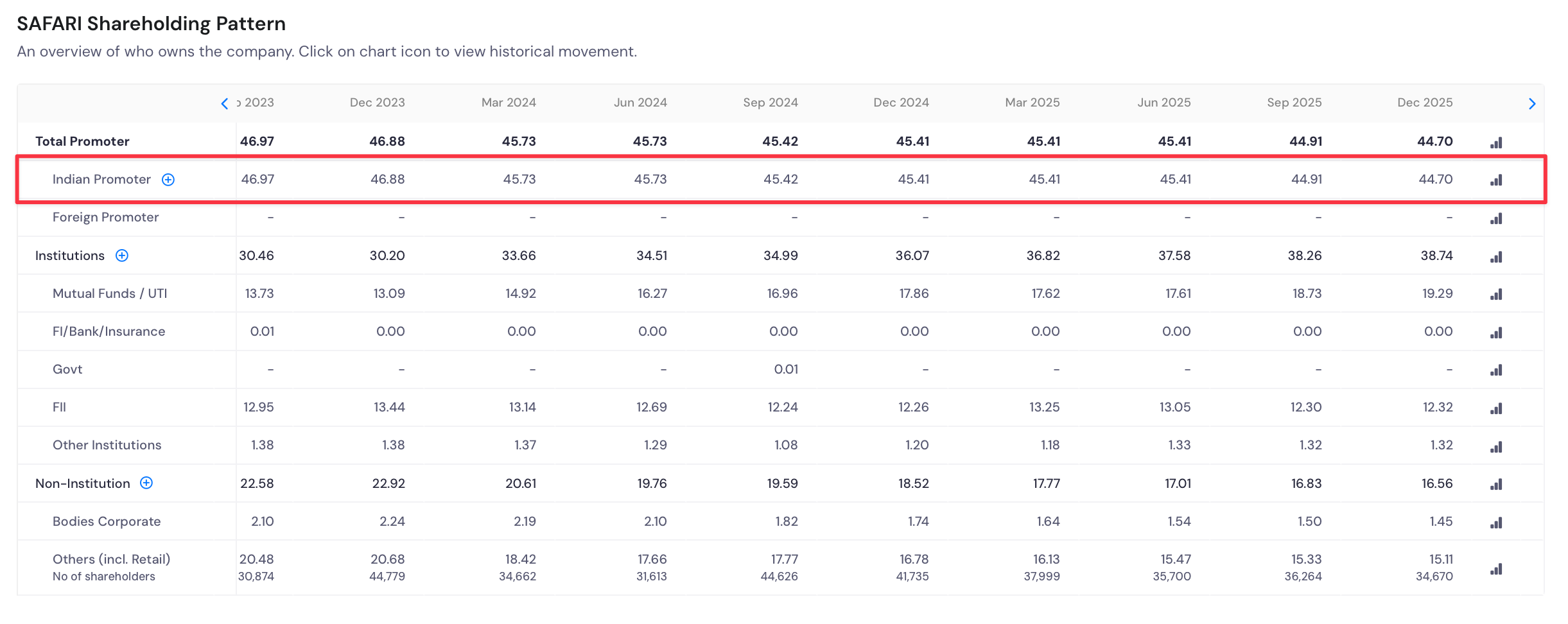
Approximately 50% of revenue flows from Amazon and Flipkart. If either platform changes its algorithm or raises commission rates, profitability could be hit overnight.
Manufacturing is largely concentrated in Gujarat and Rajasthan. A regional labor disruption, regulatory change, or natural event could halt most production simultaneously.
Polypropylene and Polycarbonate are the core raw materials, both petroleum-derived. A spike in global oil prices would sharply increase input costs.
New Labor Codes implemented in late 2025 have already increased employee cost obligations. Regulatory changes in labor law quietly erode margins over time without appearing as a single large event. The company acknowledged this in Q3 FY26 disclosures.
Ongoing Carlton trademark litigation in the luggage industry creates consumer brand confusion. Safari holds a license, but confusion around brand identity can weaken purchase confidence.
About 92% of revenue comes from the Safari brand with no secondary brand of meaningful scale. If Safari’s relevance weakens with the next generation of travelers, the portfolio provides very limited protection.
That’s it for today.
FINVEZTO.COM | Build Wealth. With Clarity.
Disclaimer: Anand Ganapathy K is a SEBI-registered Research Analyst with SEBI registration number INH000016630. This post is purely for learning purposes. I do not recommend buying or selling stocks mentioned in this newsletter. I do not hold any positions in the stock discussed. Securities market investments carry market risks. Kindly review all related documents before investing.