


Every week I analyze a company's fundamentals as part of my research work. My goal is to understand what drives their consistent performance. This is an educational post to understand the business and not a recommendation to buy the stock.This week, Let’s explore the business & fundamentals of PRICOL Ltd.
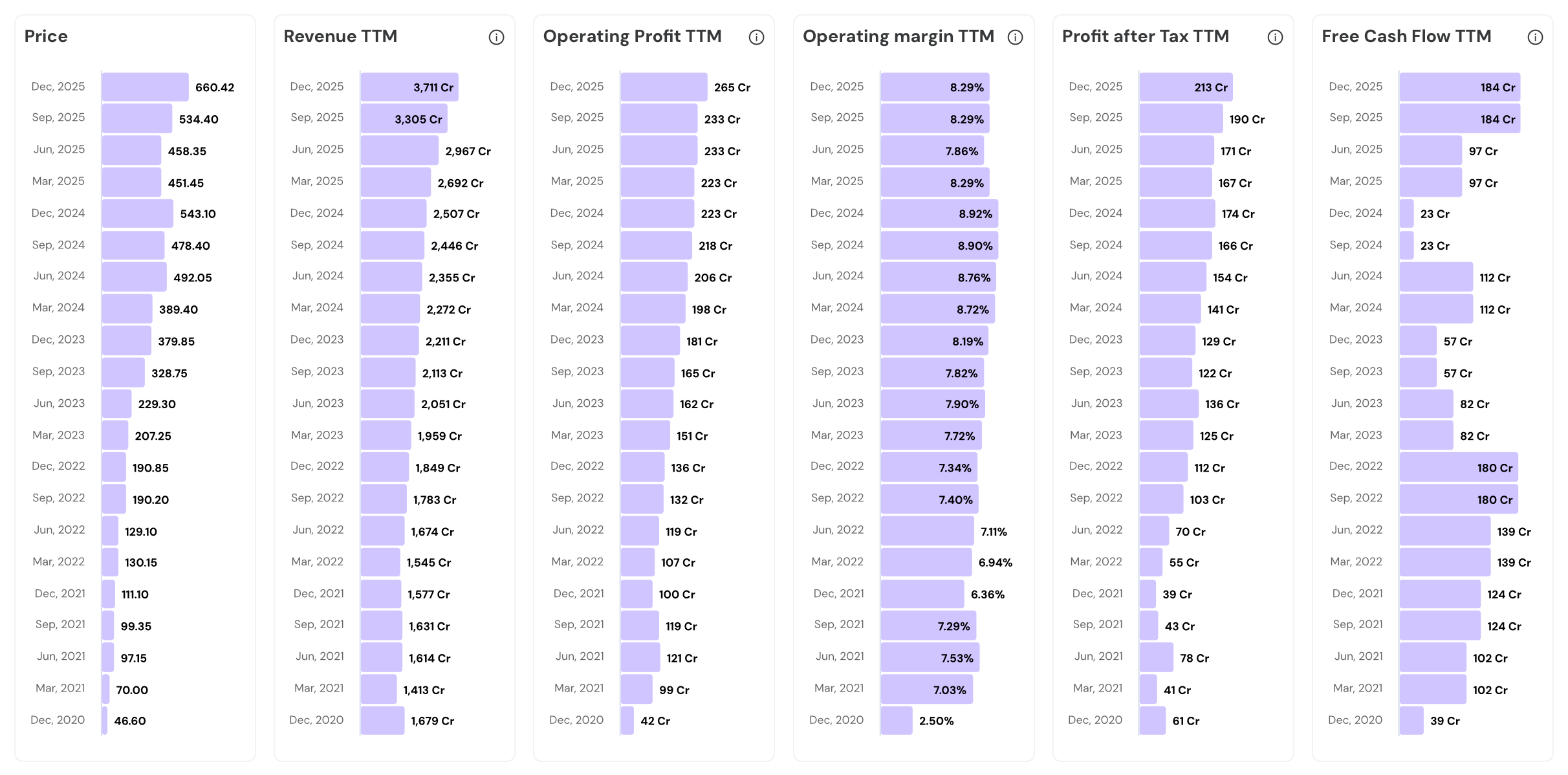
In the last 5 years (Dec 2020 → Dec 2025)…

- Stock price has grown 14.2x (from ₹46.60 to ₹660.42)
- Revenue TTM has grown 2.2x (from ₹1,679 Cr to ₹3,711 Cr)
- Operating Profit TTM has grown 6.3x (from ₹42 Cr to ₹265 Cr)
- PAT TTM has grown 3.5x (from ₹61 Cr to ₹213 Cr)

Take a look at the fundamentals chart below.
Performance Chart || Last 5 Years
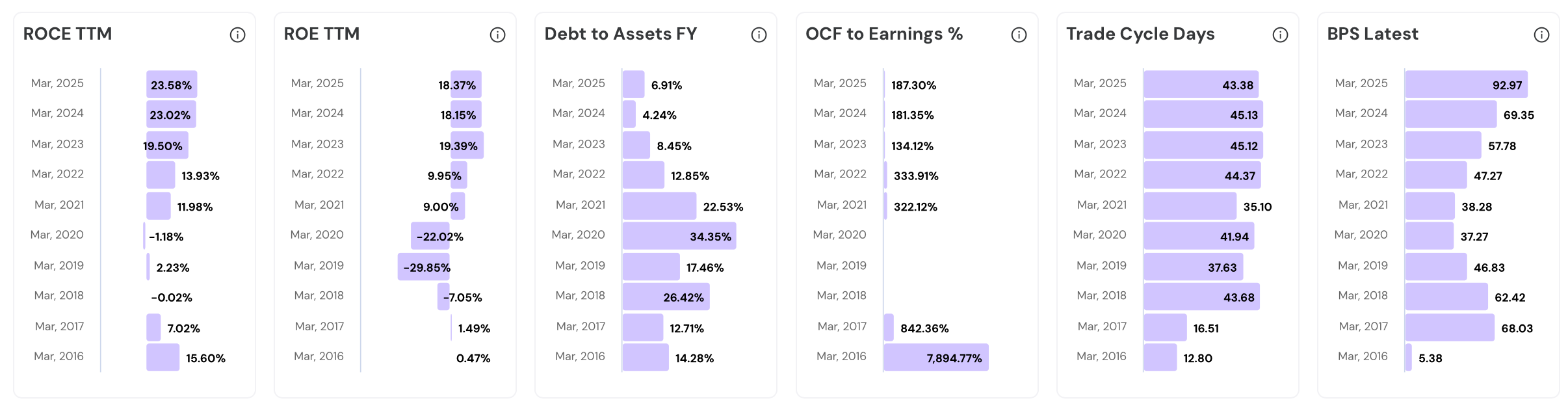
Quality Chart || Last 5 Years
Their Road to Consistency
1. Overview and Business Model
Pricol Limited is a Coimbatore-based automotive technology and precision engineering company. It designs, manufactures, and sells instrument clusters, sensors, and fluid management systems to major vehicle manufacturers. The company serves two-wheelers, commercial vehicles, passenger vehicles, and off-road equipment through 15 manufacturing plants across India and Indonesia.
Revenue Mix
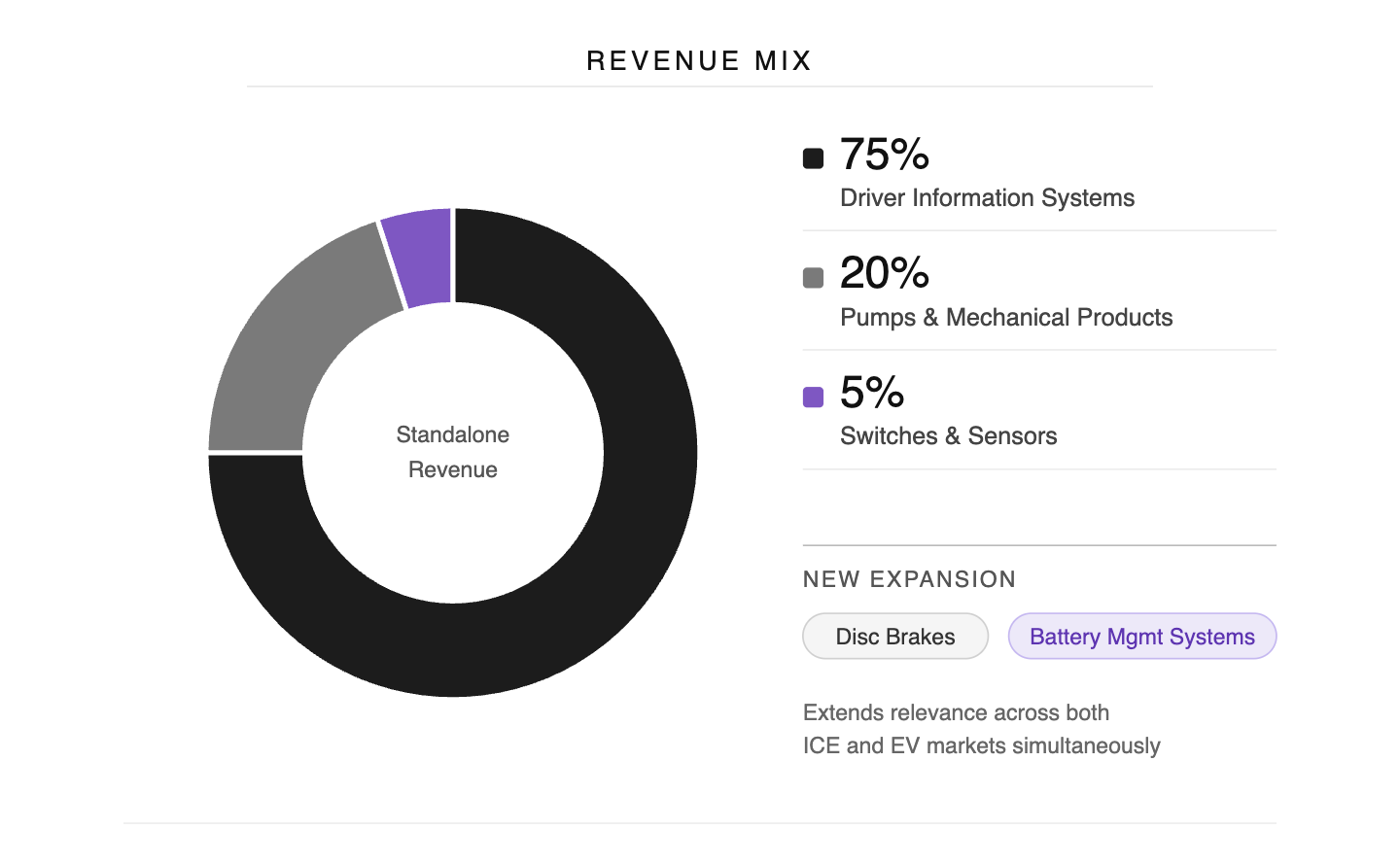
Driver Information Systems contribute 75% of standalone revenue.
Actuation, Control & Fluid Management Systems add 20%, and
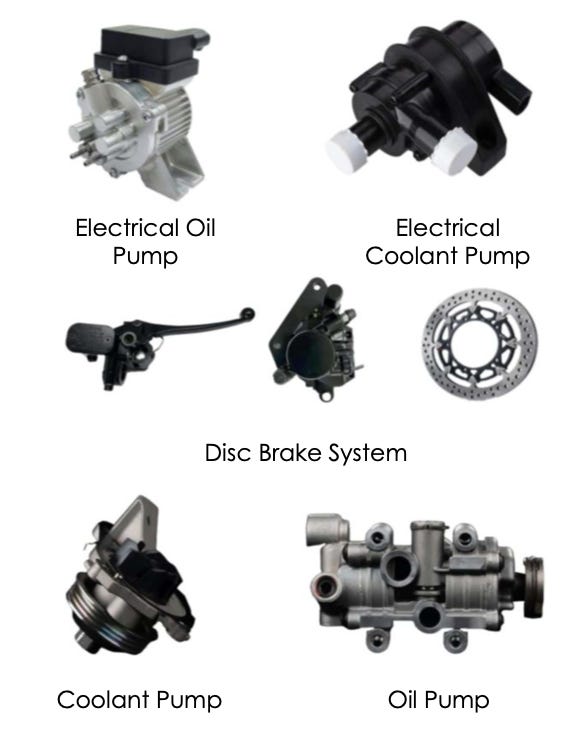
Switches and Sensors make up the remaining 5%.
Recently expanded into disc brakes and Battery Management Systems. This extends relevance to both ICE and growing EV markets simultaneously.
Customer Segment Mix
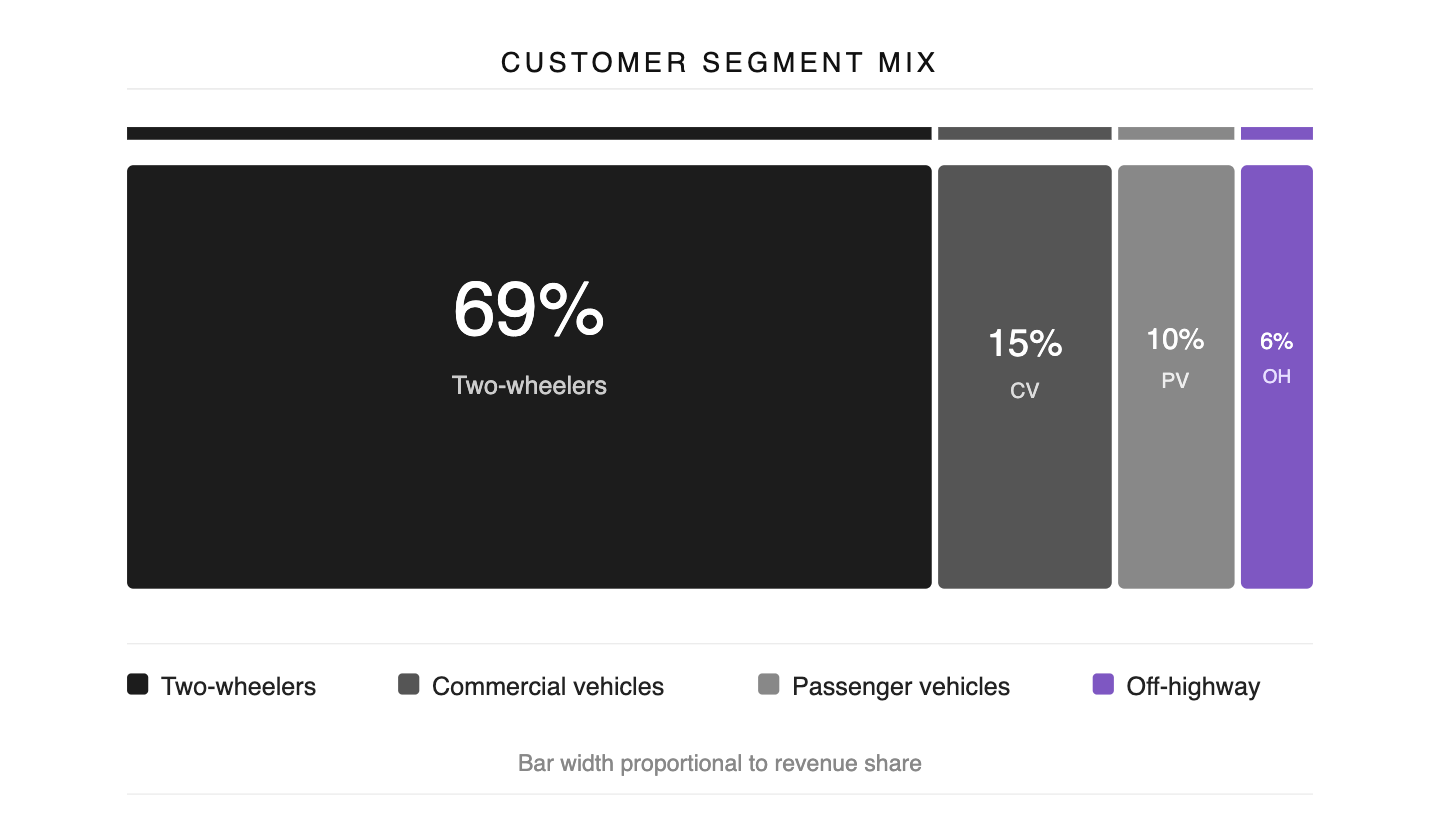
Two-wheelers form the largest customer segment at 69% of revenue.
Commercial Vehicles follow at 15%,
Passenger Vehicles at 10%, and
Off-Highway equipment at 6%.
Presence
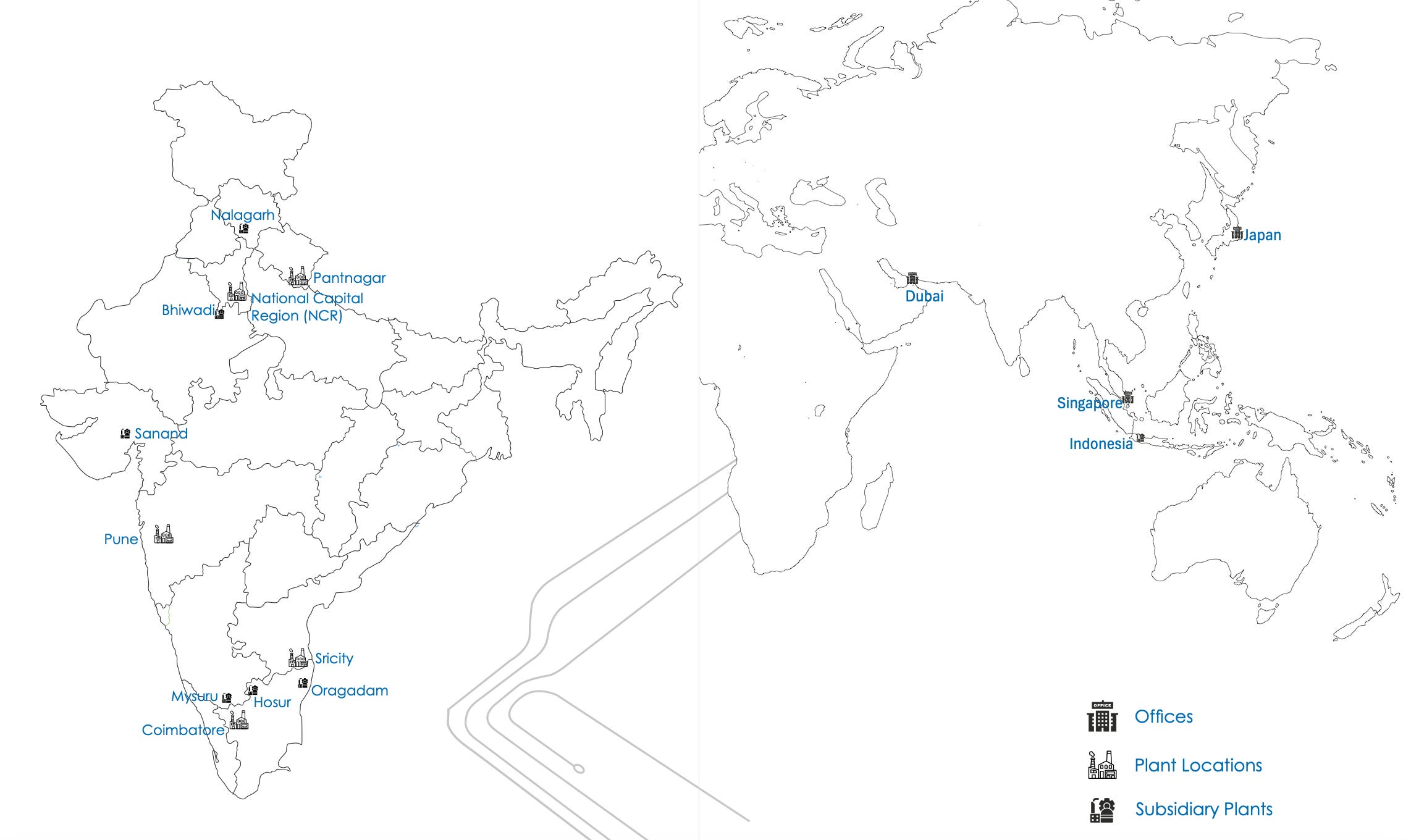
The company exports to over 45 countries globally. Exports constitute ~11% of revenue. Domestic OEMs account for ~89% of total revenue.
International offices in Tokyo, Singapore, and Dubai keep Pricol close to Japanese and global OEM design teams. Proximity is a form of strategy.
2. Market Dominance
Pricol commands extraordinary market shares across every vehicle segment it serves. It holds 65% of the domestic two-wheeler instrument cluster market and approximately 70% in commercial vehicles.
Pricol holds a ~65% share in domestic two-wheeler instrument clusters as of FY25. This scale provides immense pricing advantages over smaller rivals.

The company controls 70% of the commercial vehicle instrument cluster market. Seven out of ten trucks on Indian roads carry a Pricol dashboard.
The off-highway segment is more skewed. Pricol commands approximately 90% share in construction and agricultural equipment clusters. Complex durability requirements for outdoor use limit the pool of viable competitors sharply.
Globally, Pricol ranks second by volume in instrument cluster manufacturing, behind only Japan’s Nippon Seiki.
This global scale helps negotiate better prices for semiconductors and display components.
The company manages over 5,000 product variants to serve its diverse customer base. No domestic competitor offers comparable catalog depth.
The BS-VI transition in April 2020 required digital diagnostics in every new vehicle. Pricol was technology-ready while smaller players struggled to comply.
Pricol supplies 80% of all instrument clusters used by Tata Motors in passenger vehicles. This wallet-share concentration at one major OEM reflects deep and tested trust.
The Coimbatore facility produces over 12,000 instrument clusters every single day. High-volume production reduces per-unit cost significantly.
Management is deepening ties with Honda and Suzuki to grow the two-wheeler segment further.
3. Premiumization
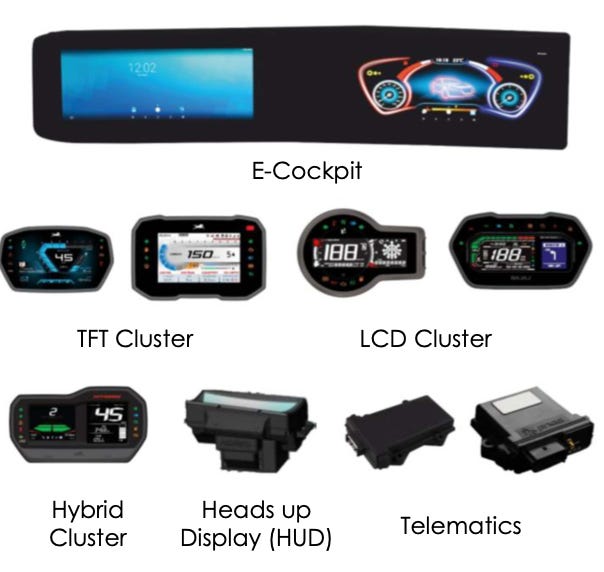
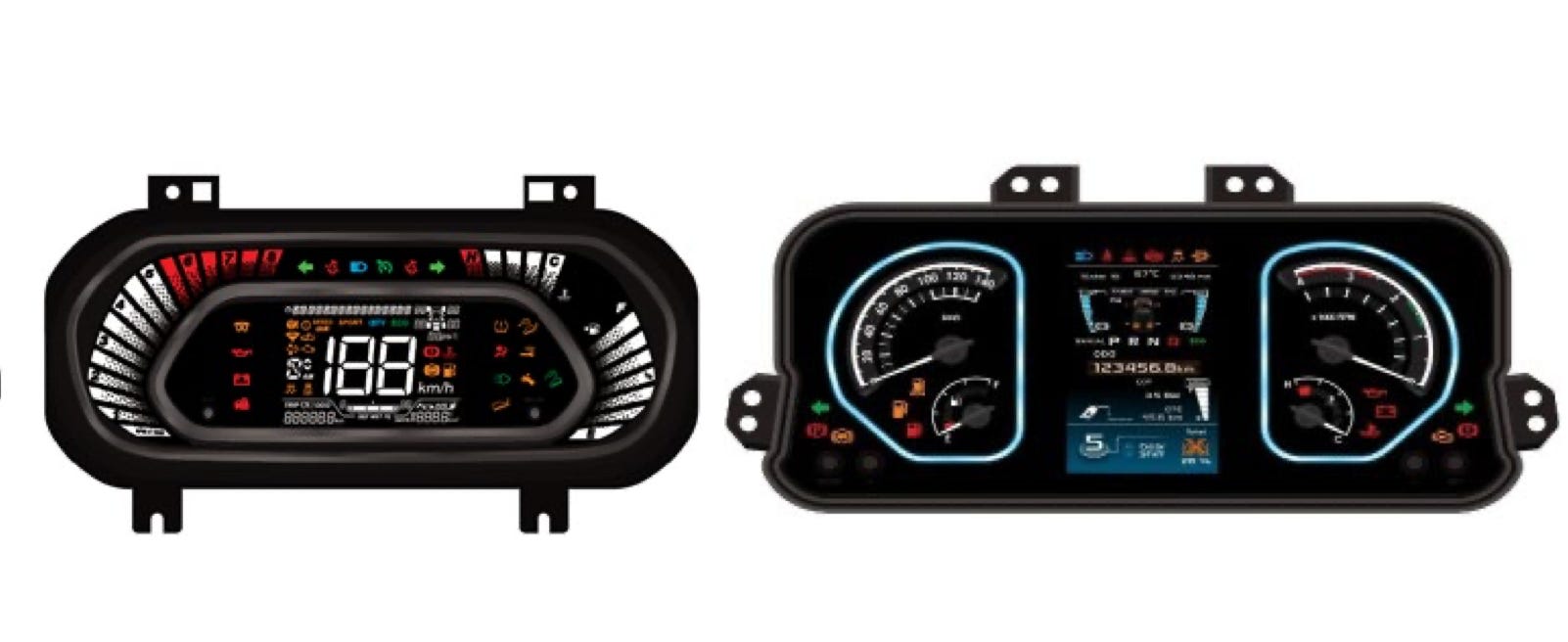
Pricol is riding a structural shift from mechanical dials to high-end digital TFT displays.
Average realization per instrument cluster rose from approximately ₹800 to ₹2,500 in recent years. The shift from basic LCD to full TFT technology is the primary driver.
TFT clusters are currently just 10% of total sales with room to grow.
Management targets an average cluster price of ₹5,000 within next 4 years. Navigation controls, music integration, and connectivity features will drive this. The dashboard is evolving from an instrument panel into a digital cockpit.
Revenue share from dashboard instruments rose from 59% in FY23 to 75% in FY25. Customers are choosing digital over mechanical at an accelerating rate. Premiumization is happening organically, without Pricol needing to push it.
Digital clusters carry better profit margins due to complex software and electronic hardware content. This mix shift has boosted margins.
Pricol is now delivering E-Cockpit prototypes that integrate multiple vehicle controls into one display. Several major OEMs have received these for evaluation.

Features like mobile mirroring and turn-by-turn navigation, once limited to luxury cars, now appear on mid-range bikes through Pricol. Technology democratization expands the addressable market.
EV manufacturers use high-end digital displays exclusively to show battery range and health data. The EV transition accelerates Pricol’s premiumization journey.
4. Smart Acquisitions
Pricol uses disciplined acquisitions to reduce revenue concentration and build new manufacturing capabilities.
In Jan 2025, it acquired the injection moulding division of Sundaram Auto Components for ₹80 crore. A targeted entry into the vehicle body parts segment. This deal added ₹920 crore in annual revenue potential and opened entirely new customer segments including safety and electrical component makers.
The acquisition was priced at 3.2x EV/EBITDA. This is an attractive valuation for a high-growth manufacturing asset.
The deal reduces dashboard revenue dependence.
New clients acquired through this deal include Ather Energy, Hanon, Autoliv, and Schneider. Pricol has entered non-automotive segments like safety systems and electrical components in one move.
Pricol is in active discussions with Hero, Honda, and Bajaj to supply plastic parts from the new division.
Cross-selling to existing dashboard customers is the natural and logical next step.
The acquisition enables in-house manufacturing of plastic casings for Pricol’s own instrument clusters.
Pricol is planning another ₹500 crore capex over the next 2 years for this division.
Pricol is entering the global supply chain of Tier-1 players like Autoliv through this acquisition. A transition from local OEM supplier to global component partner is underway.
The acquisition is larger in strategic impact than its ₹80 crore price suggests.
5. Technology Partnerships
Pricol is transforming from a hardware manufacturer into a software-driven automotive technology company. Global licensing and partnership deals cover cloud connectivity, battery management, and advanced vehicle controls.
Pricol partnered with Sibros Technology to bring connected vehicle solutions to Indian OEMs. The Sibros cloud platform enables advanced vehicle data analytics and remote diagnostics.
The Sibros platform enables Over-The-Air firmware updates for vehicles in the field. OEMs can fix software issues without a physical service center visit. This capability is quickly becoming expected on every new-age vehicle platform.
To strengthen the EV position, Pricol signed a licensing deal with BMS PowerSafe from Europe. This allows in-India manufacturing of Battery Management Systems. BMS is the most critical electronic component in any modern EV battery pack.
Pricol teamed up with Domino S.r.l. of Italy for advanced handlebar throttles and switches for premium motorcycles. Pricol now occupies both the dashboard and the handlebars on high-end bikes.
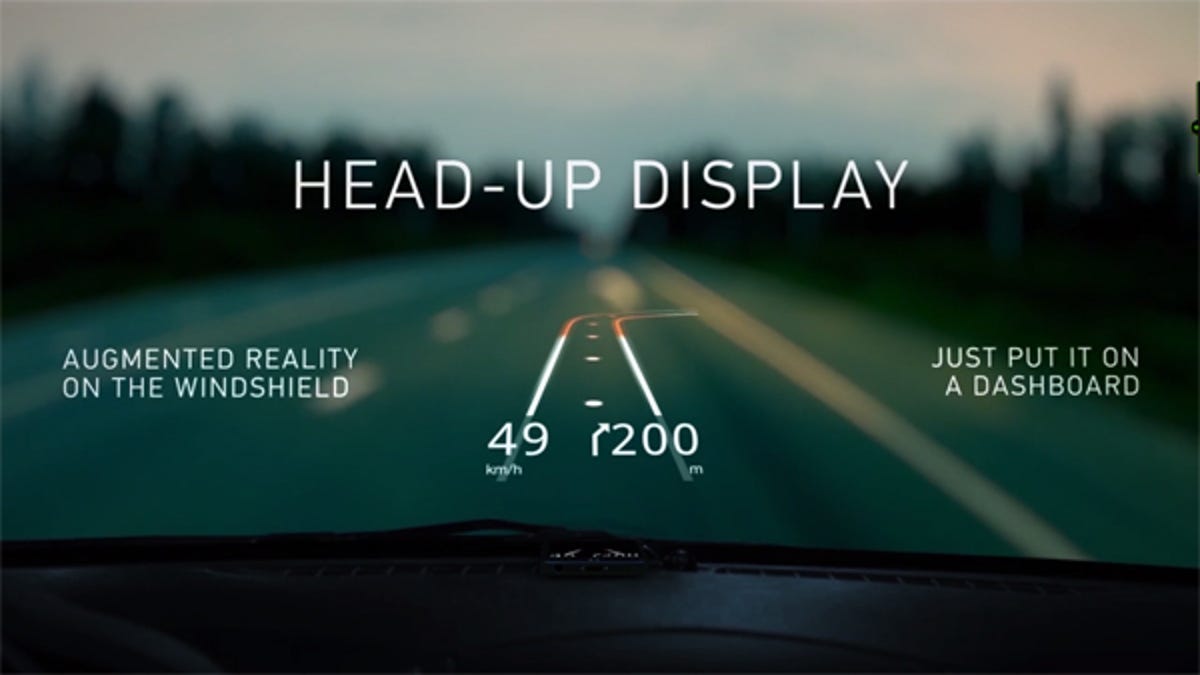
A partnership with TYW brings Heads-Up Displays to Indian vehicles. Driving information is projected onto the windshield, keeping the rider focused on the road.
The company invests approximately 4.5% of total revenue in R&D annually. This is significantly higher than most traditional auto component makers in India.
Over 470 specialized product and process engineers work across two dedicated technology centers. New product launches happen every few months at this cadence. High Product velocity.
Also, every technology partnership is designed to work for both petrol and electric vehicles. This propulsion-agnostic design ensures relevance across all market scenarios.
6. EV Agnostic Strategy
Pricol has structured its product portfolio so the EV transition is an opportunity, not a disruption. Electric bikes demand more expensive digital displays, advanced sensors, and thermal management pumps compared to petrol bikes. Every ICE bike converted to electric generates higher revenue for Pricol.
Management confirmed that the EV transition will not materially impact revenue negatively. Most dashboard and sensor products are needed equally in ICE and electric vehicles.
Electric vehicles require larger TFT displays to show battery range and health metrics in real time. This plays directly into Pricol’s strength.
Pricol is already a preferred supplier to Ather Energy and supplies 7-inch TFT displays for the TVS iQube.
Specialized electric oil pumps and coolant pumps for battery thermal management are now part of the product portfolio. These replace traditional mechanical pumps used in combustion engines.
Battery Management Systems are in active testing with large manufacturers for upcoming EV models. Revenue from BMS is expected to commence from FY27.
Electric vehicles carry more sensors per unit to monitor battery temperature and voltage constantly. Pricol’s sensor division captures this increased per-vehicle sensor count. More sensors per EV means more Pricol revenue per vehicle sold.
New business wins include instrument cluster orders for the upcoming electric scooters of Honda and Suzuki. Japanese OEMs trusting Pricol for their EV platforms is a strong signal of technology credibility.
Telematics solutions help EV fleet operators monitor real-time charging status and vehicle health remotely. This software layer adds recurring value on top of one-time hardware sales.
The recent SACL plastic acquisition also supports the EV strategy. EV makers need lightweight plastic components to improve driving range per charge. Pricol now supplies both the digital screen and the lightweight casing for electric two-wheelers.
By FY25, Pricol had launched EV-Ready product variants across all verticals. It is among the few Indian auto component companies with a complete EV product basket.
7. Vertical Integration
Pricol manufactures almost everything in-house, from tooling dies and circuit boards to factory robots. This vertical integration protects margins from supply chain disruptions and maintains consistent quality control.
Pricol operates 15 manufacturing facilities across all major automotive clusters in India and Indonesia. Geographic spread enables just-in-time delivery to OEM customers.
The company builds its own 4D robots for its own production lines. These handle repetitive tasks like placing tiny electronic parts at high speed. In-house robotics eliminates dependence on expensive imported automation equipment.
An in-house tool room with six CNC machines enables design and manufacture of custom dies internally. New product development timelines are shorter than competitors who outsource tooling.
Six Surface Mount Technology lines handle all electronic circuit board assembly in-house. Complete control over the most critical quality checkpoint in the product sits within Pricol.
Every product leaving a Pricol facility carries a unique QR code for full production traceability. Quality issues can be traced back to specific raw material batches precisely.
Assembly processes are now almost fully automated using vision cameras for real-time quality inspection. Human errors in checking dashboard functionality are eliminated structurally. Moving towards zero-defect output.
The in-house PRA Lab tests all new products under extreme heat and vibration before any OEM delivery. Durability is validated internally before the product reaches the customer.
By 2025, 62% of the company’s power comes from renewable sources like wind and solar. The target is 100% renewable by 2026.
8. Actuation Segment Expansion
Pricol is building a second growth engine through actuation and fluid management products. It has entered the disc brake market, expanded pump capabilities, and deepened its handlebar controls business. New mandatory safety regulations from January 2026 provide a clear regulatory tailwind.
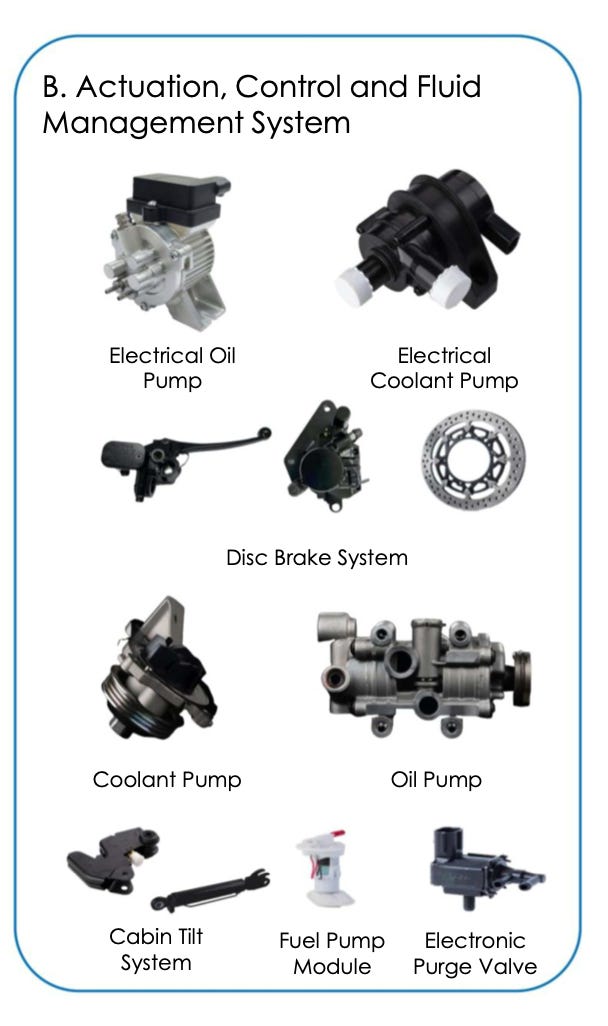
Pricol entered the disc brake market and began commercial deliveries to 6 OEM customers.
From Jan 2026, ABS becomes mandatory for additional two-wheeler categories in India.
Drum brakes will give way to disc brakes at significant volume. Pricol is ramping disc brake manufacturing capacity ahead of this specific regulatory deadline.
Active discussions with TVS and Bajaj for new supply agreements are underway.
In fluid management, the company makes advanced oil pumps and water pumps for engine thermal control. These are critical for maintaining correct temperature and lubrication in vehicles.
Variable Displacement Oil Pumps adjust oil flow based on engine speed to reduce fuel consumption. These are premium, high-precision products with limited global competition.
Fuel pump modules are designed to meet BS-VI emission standards.
Cabin Tilting Systems for heavy commercial trucks are a niche, profitable product line with limited competition.
The Wiping Systems division provides motors and linkages for windshield wipers across all vehicle segments. Smart features are now being layered onto traditionally mechanical wiper systems.
Through the Domino partnership, Pricol manufactures advanced throttles and switches for motorcycle handlebars.
Mechanical and actuation products contributed 20% of standalone revenue in FY25. Management expects this vertical to grow faster as export orders build.
9. Global Customer Wins
Pricol’s ability to win and retain the world’s most demanding OEMs is a core consistency driver. It supplies to Honda, Suzuki, Yamaha, Royal Enfield, Ducati, and Harley Davidson. Long-term relationships with Japanese and European manufacturers reflect technical credibility and operational reliability.
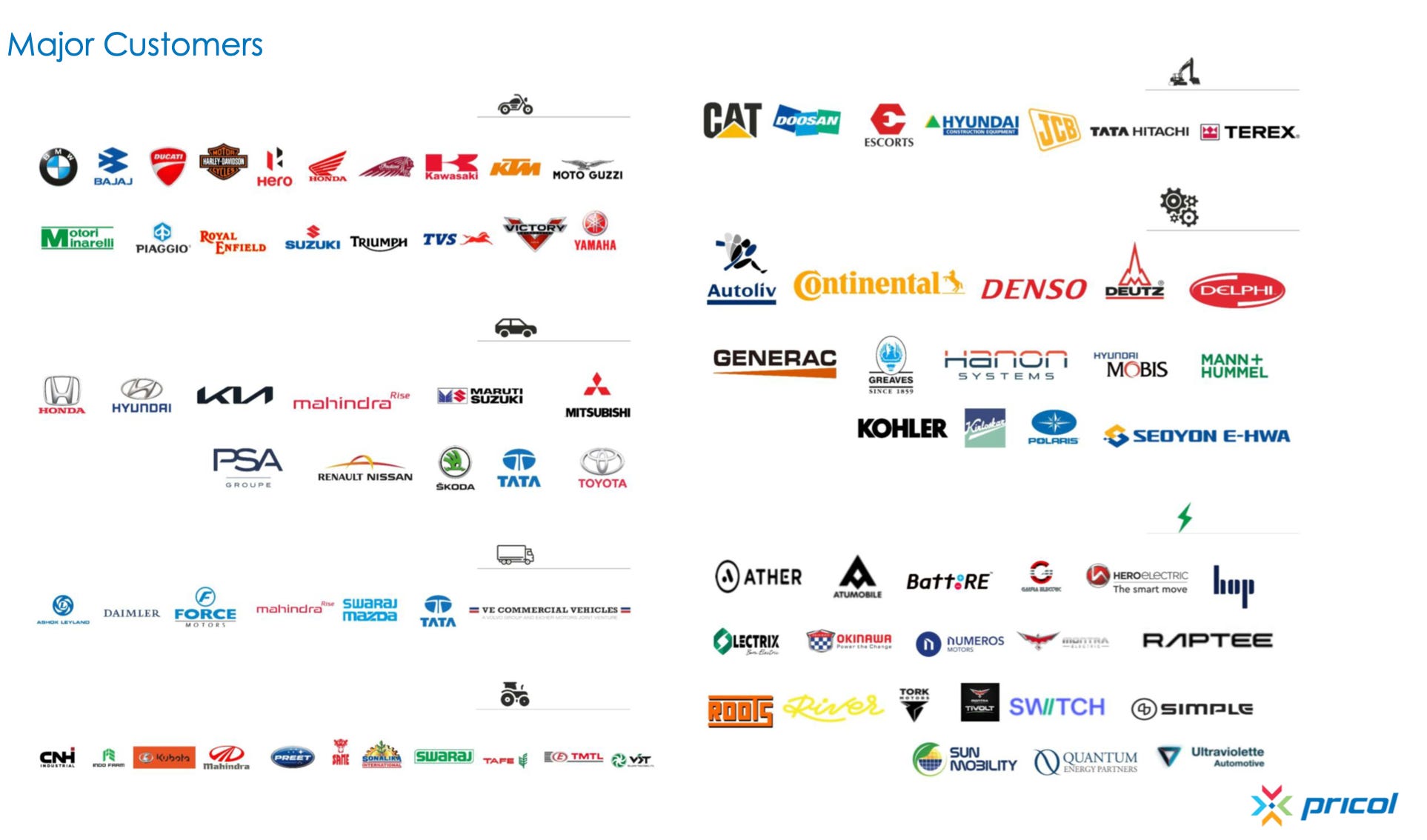
Winning Honda as a new customer after years of sustained effort is a significant milestone. Mass production for Honda motorcycles and electric scooters will commence shortly.
Suzuki has consecutively awarded Pricol its Best Supplier Award for four years running. Pricol is the primary cluster supplier for the Suzuki Access and Burgman scooters.
The company is in advanced commercial discussions with Yamaha for future model supply. Factory audits have been cleared successfully.
Supplying all three major Japanese OEMs in India simultaneously is a big milestone for any domestic supplier.
Royal Enfield relies on Pricol for its Himalayan and 650cc twin series instrument clusters. These require a blend of aesthetics and functionality.
Pricol supplies to premium international brands like Ducati and Harley Davidson.
Management’s strategy of increasing content per vehicle is working consistently. Pricol now supplies sensors and fuel pumps to the same OEM alongside the dashboard.
Between 2020 and 2022, the company hived off loss-making subsidiaries in Brazil, Mexico, and the Czech Republic. Stopping the cash drain freed up capital and management bandwidth for domestic growth.
10. Risks and Red Flags
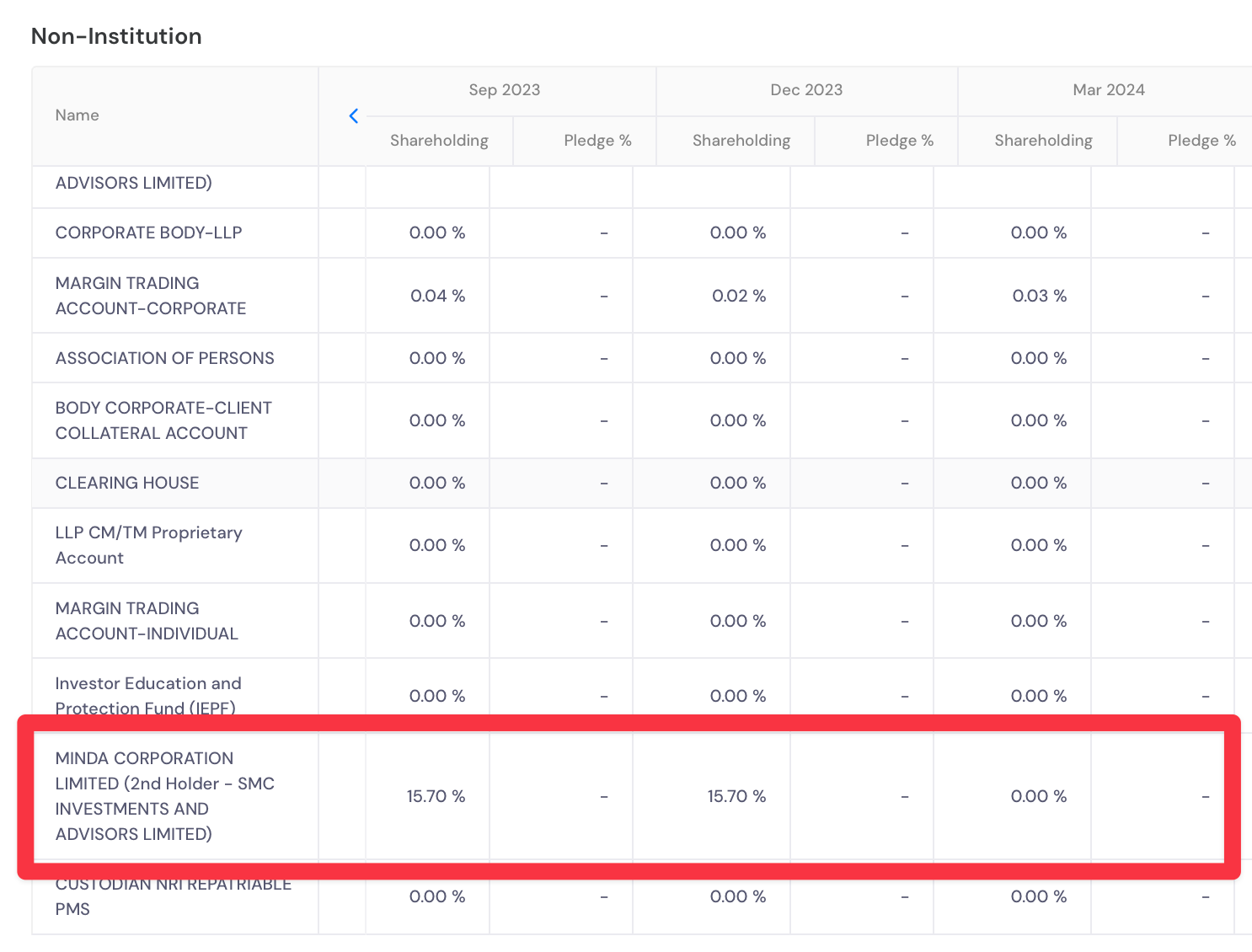
Minda Corporation acquired a 15.7% stake in Pricol through open market purchases announced on February 17, 2023, for approximately ₹400 crore at an average price of ₹208.9-209 per share.
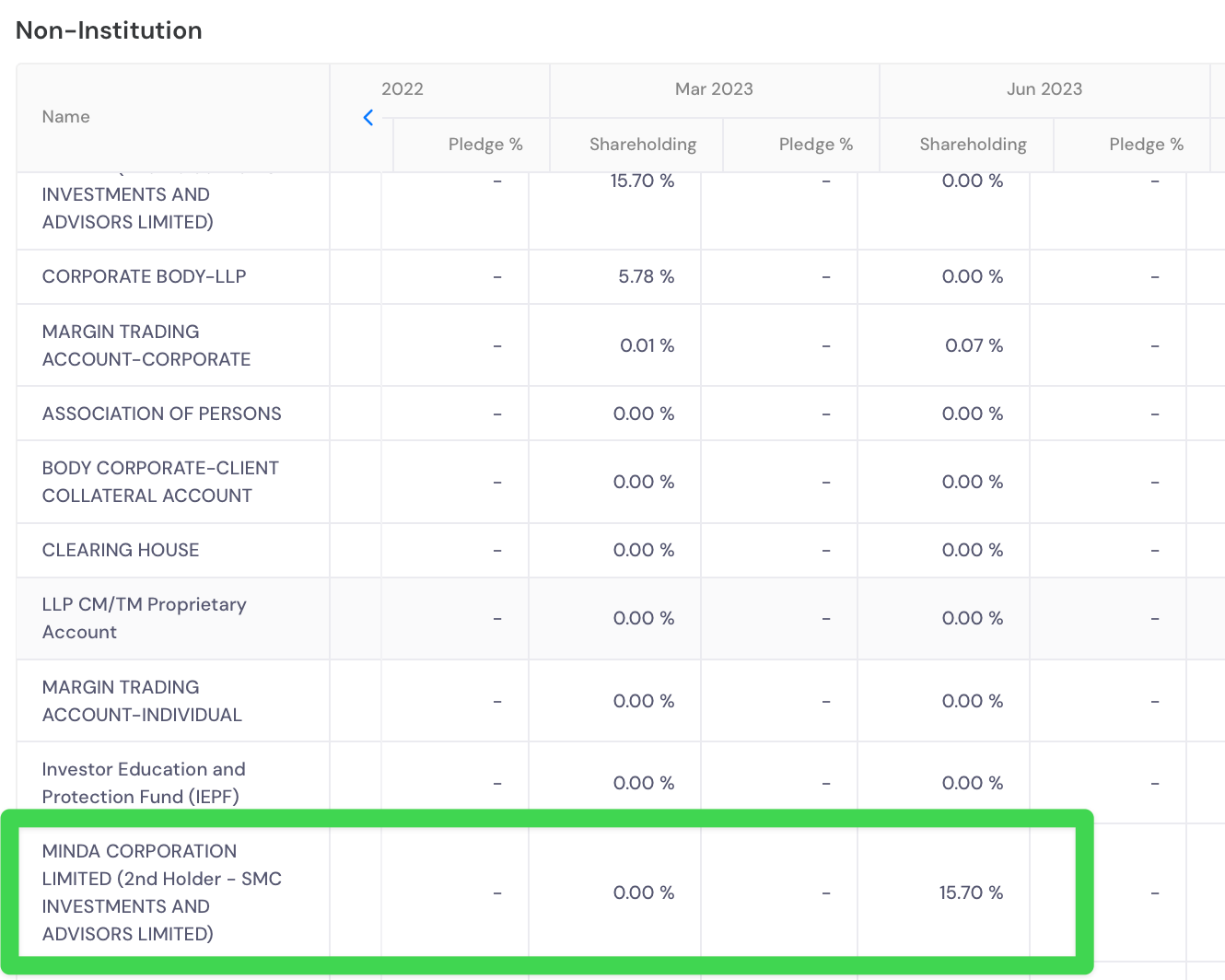
This directly threatened the current management’s control of the company. Indicating possibilities of a hostile takeover.
Pricol contested Minda’s subsequent plan to acquire up to 24.5% more stake by filing an objection with the Competition Commission of India (CCI) in May 2023. Minda sold its entire 15.7% stake via open market on January 17, 2024, for about ₹660 crore, after the regulatory battle. Pricol’s promoter stake has since stabilized around 38.5%
In September 2009, the HR Vice President was killed during a violent worker protest at a Coimbatore factory. This created a legal and reputational crisis of serious scale.
Management says labor relations are now cordial with long-term wage agreements in place. However, the sensitivity of Pricol’s Coimbatore workforce remains a key item to monitor.
69% of revenue comes from the two-wheeler segment alone. Any sudden slowdown in domestic bike sales would significantly impact overall business performance.
Raw material costs, particularly copper and plastic, are volatile. OEM contracts allow cost pass-through, but there is always a lag of several months. Margin compression during this transition window is a risk.
A supply chain disruption involving semiconductor supplier Nexperia has been formally flagged by the company. Global chip shortages can force production line halts. Semiconductor dependency is an industry-wide risk.
Critical display components and sensors are imported from China and Taiwan. Deteriorating trade relations with China could cause significant and sudden parts shortages.
Earlier international expansions into Brazil, Mexico, and the Czech Republic failed at significant cost. Future foreign acquisitions must therefore be evaluated with heightened scrutiny and discipline.
ABS mandate implementation delays could slow the disc brake revenue ramp-up materially. Pricol has committed ₹500 crore in capex, and regulatory timing directly affects payback timelines.
Global electronics giants with deep pockets are actively entering the vehicle dashboard space. Pricol’s market share moat is strong but requires continuous innovation to sustain.
That’s it for today.
If you liked our analysis, do check out our Premium Reports that could add more value.
FINVEZTO.COM | Build Wealth. With Clarity.
Disclaimer: Anand Ganapathy K is a SEBI-registered Research Analyst with SEBI registration number INH000016630. This post is purely for learning purposes. I do not recommend buying or selling stocks mentioned in this newsletter. I do not hold any positions in the stock discussed. Securities market investments carry market risks. Kindly review all related documents before investing.
Awesome as usual. Thank you.
A few points about the "Promoter Integrity" in your analysis would be of great interest.
Most investors do due diligence on promoters' background, reputation, integrity, and interest in business before looking into the company's fundamentals or balance sheets.